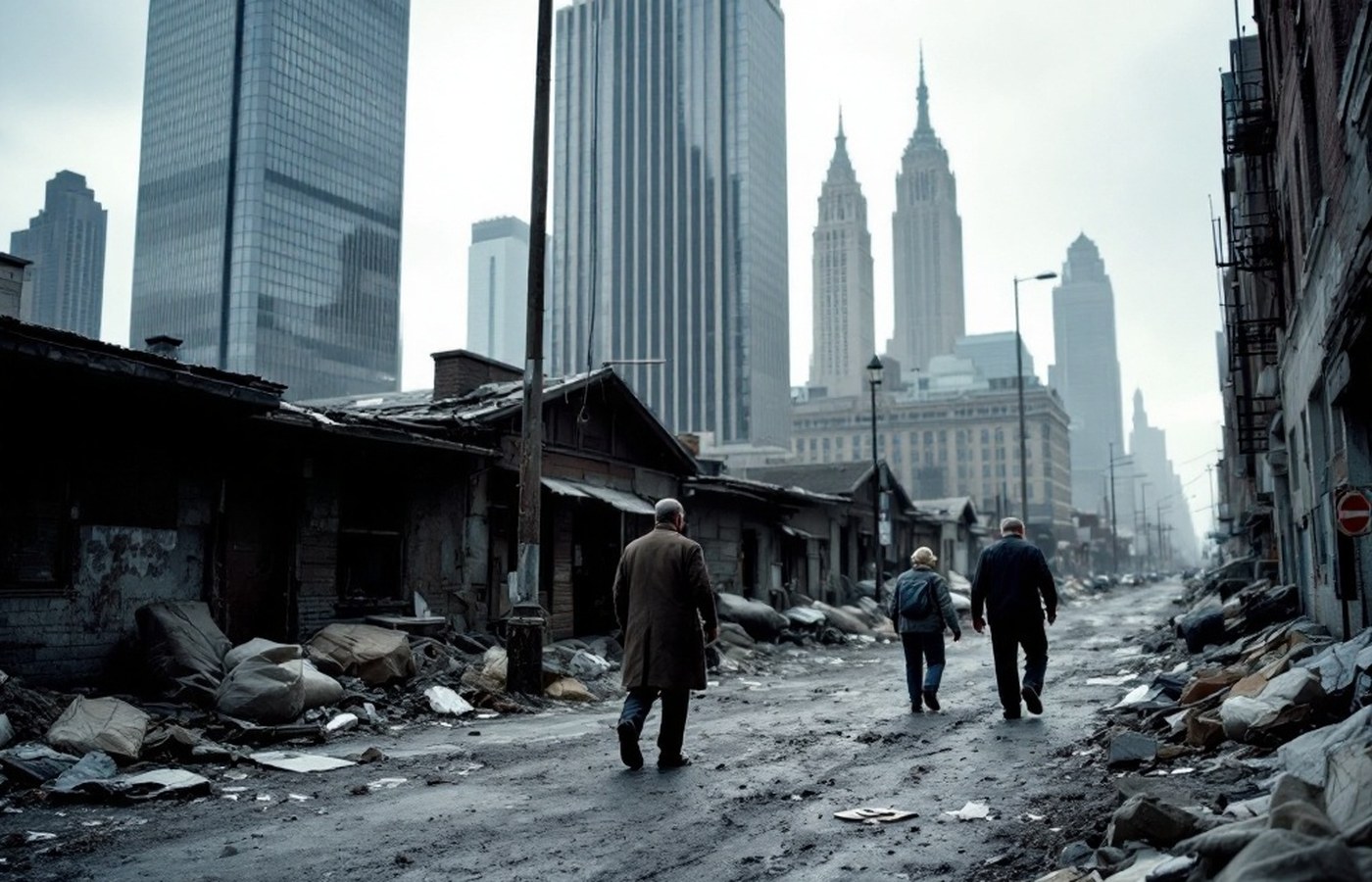
You would think that a superpower like the United States of America wouldn't have anyone suffering from extreme poverty. Unfortunately, that is not the case. In spite of its economic and political might, the country carries its own share of the very poor.
The clearest picture of just how serious the problem has become came from an outside observer. Philip Alston, the United Nations' special rapporteur for extreme poverty and human rights, spent two weeks travelling in the United States — and came away with a set of findings that ought to shake any citizen of the world's richest nation.
- The infant mortality rate in the USA is the highest of any developed nation.
- Average American health indicators are deteriorating compared with other first-world nations.
- Of the 37 OECD countries, the USA ranks 35th for poverty and inequality.
Those findings were widely reported at the time, including in this account of Alston's report. Taken together, they describe a country whose outcomes for its poorest people look nothing like its wealth or its self-image.

01Political action against extreme poverty
Being a superpower, the USA has a role to play not just in alleviating poverty at home but in leading the challenge against it globally. There has been no shortage of framework for doing exactly that.
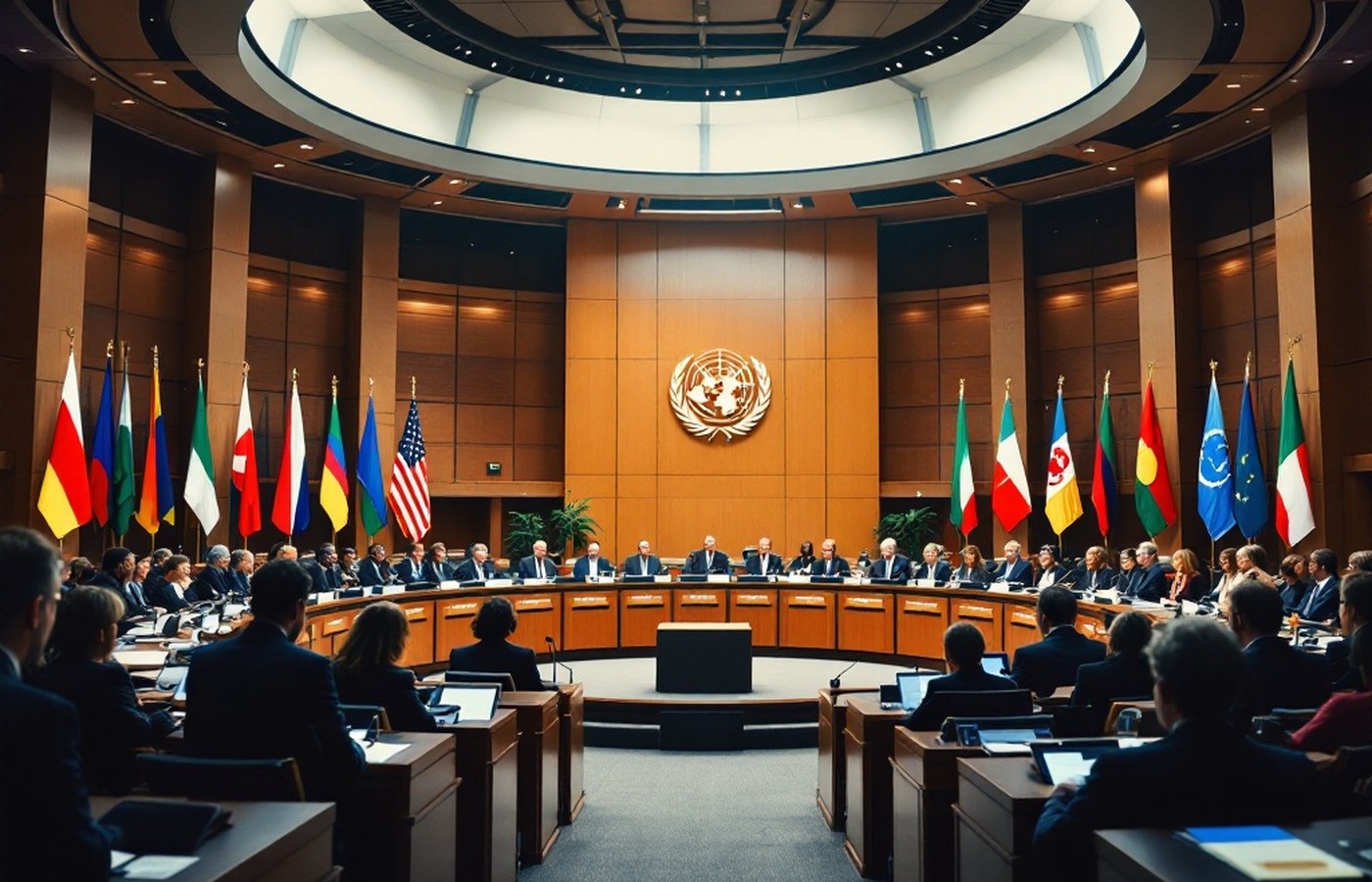
The UN adopted the 2030 Agenda for Sustainable Development in 2015, and USAID — the country's premier aid agency — presented a "Vision for Ending Extreme Poverty." As good as the plan sounds, with its emphasis on promoting enterprise and social justice, there is a growing insularity in American politics that threatens to keep the two parties from pursuing these goals with any real energy.
The average American is becoming less and less interested in global affairs, and less willing to see the country spend its energy abroad. It is precisely at moments like this that political parties should show leadership — telling people plainly about the need to tackle extreme poverty, both at home and overseas.
Why progress has stalled
- The frameworks already exist — the 2030 Agenda and USAID's Vision for Ending Extreme Poverty.
- Political insularity keeps both parties from pursuing them aggressively.
- Public appetite for global engagement is shrinking.
- Without compromise between the parties, no concerted effort is possible.
Unless this changes, there will be no concerted effort to achieve this noble aim. And without American leadership, the fight against extreme poverty is hard to win.