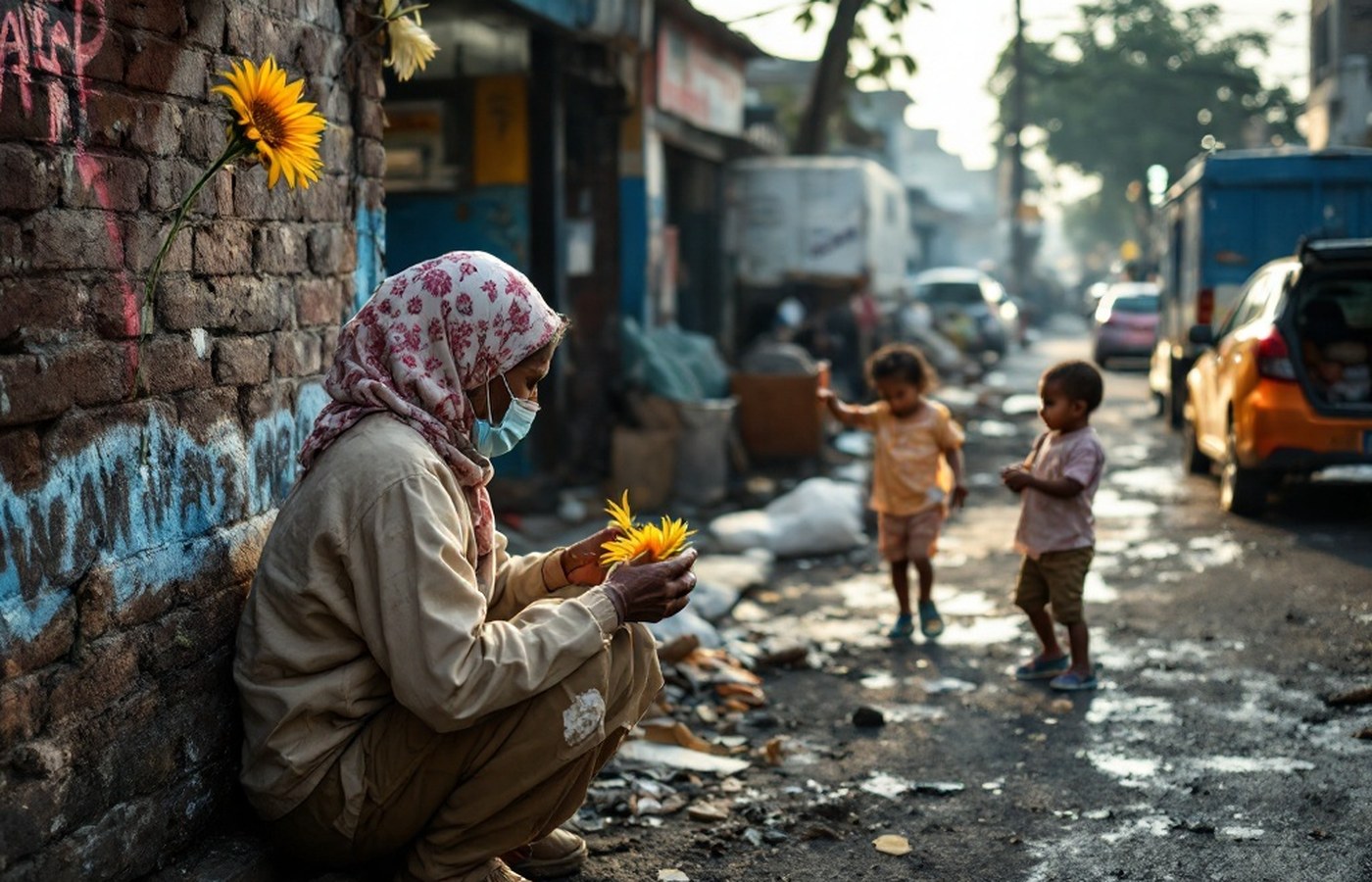
What sort of role do food banks really play in fighting poverty? They are, without doubt, a massive tool for relieving people who have been pushed by poverty into the acute suffering of hunger — and they are sustained by the generous donations of large-hearted people who want to do their bit for society.
These are exactly the kind of questions that have lately been debated in the intellectual circles of the country. To answer them, it helps to first look at what food banks are actually doing in America right now.
01The role of food banks in America
Food banks play an increasingly important part in providing food security to a substantial portion of the American population. By one estimate there are around 60,500 emergency food providers in the country, and a study done in 2014 revealed that 1 in 7 Americans depend on food banks to fight food insecurity.

Of the 46 million people who relied on food banks in 2014, the demographic picture was striking — and it stretched into a place few would expect: a notable share of the households being helped included someone who had served in the military.
So it can be said with real confidence that food banks are a vital part of the social fabric of the country, and that they are badly needed. The harder question is what their growth actually tells us.
02"Charity won't end hunger"
In 2016, a report titled America's Food Banks Say Charity Won't End Hunger analysed the role of food banks in ending food scarcity rather than merely alleviating it. Its argument was pointed: donors need to be made aware that long-term solutions — the kind that would eventually end the need for food banks — deserve support just as much as the food banks themselves.
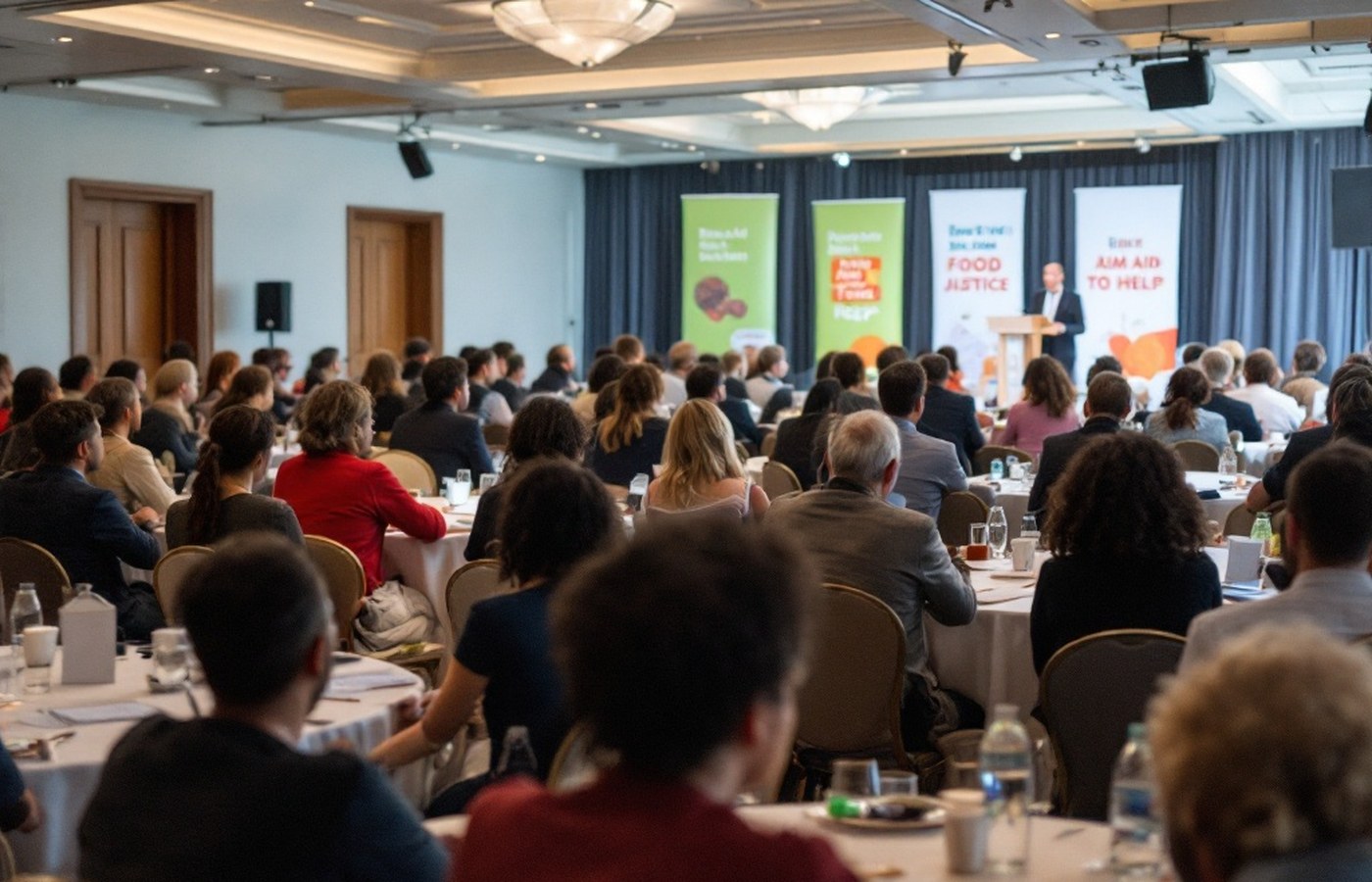
The same thinking was at the heart of a major event — the Closing the Hunger Gap: Cultivating Food Justice Conference — held in Portland, Oregon in September 2015 and hosted by the Oregon Food Bank. With 501 delegates from 41 American states and 3 Canadian provinces taking part, it was a significant forum for such issues.
What the report and the Portland discussions pointed out is this: the growth of food banks, and the donations ordinary people make to them, may at first appear encouraging — signs of generosity and large-heartedness.
The report identified the real drivers of rising food insecurity, and they had little to do with a shortage of charity:
- The diminishing of the social safety infrastructure
- Growth in precarious employment
- A lack of sync between wages and inflation
- Declining political support for government nutrition programs
- And, of course, economic inequality
What is worse, by limiting the scope of the problem to hunger and not seeing it as a manifestation of poverty, government avoids addressing the root causes of food insecurity. Charity, as one author described it, serves as a "moral safety valve" — it makes people feel they are doing something, while limiting their efforts to fighting the symptoms and not the causes of the problem.
03Are food banks counter-productive?
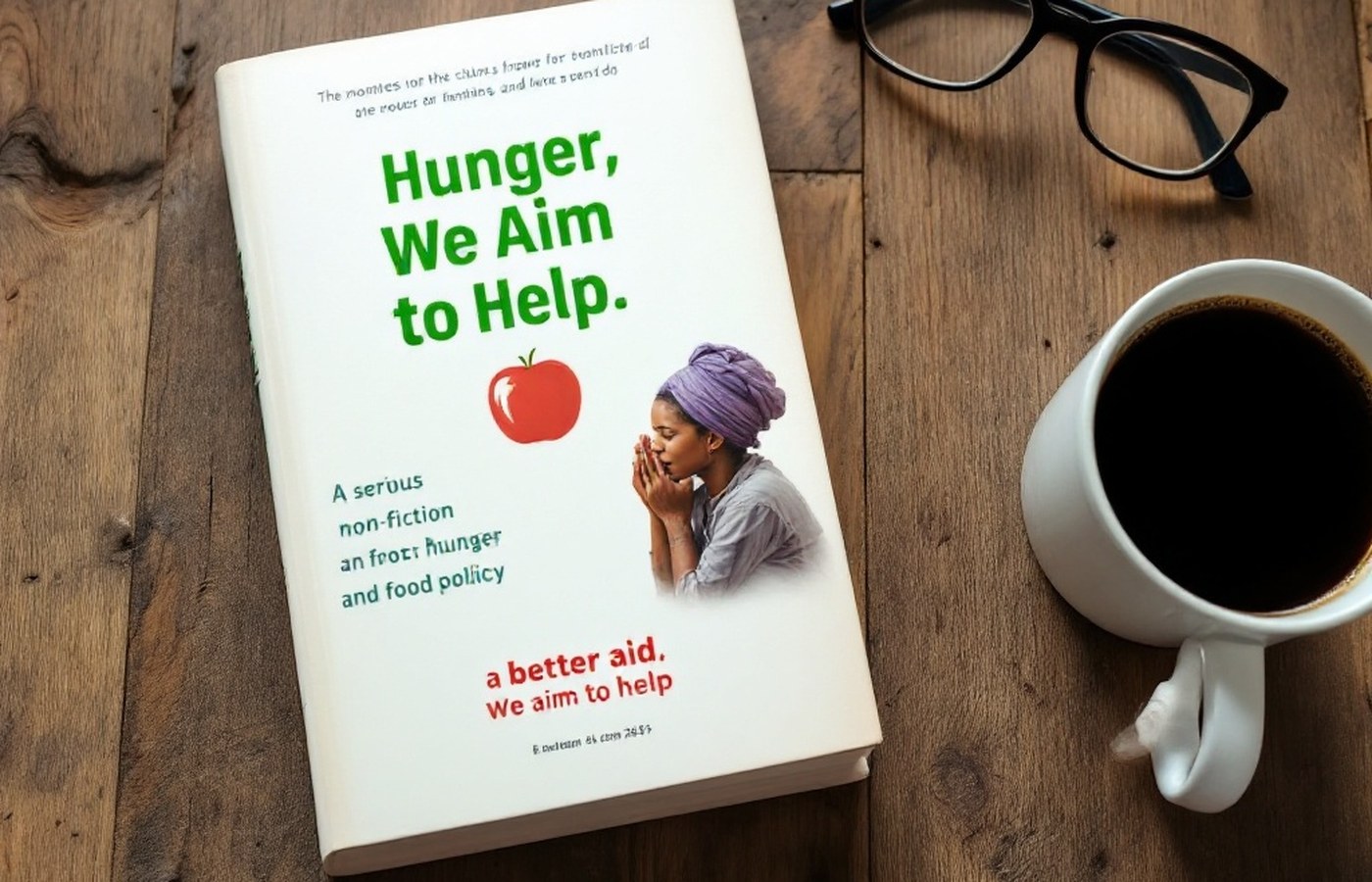
A provocative book titled Big Hunger: The Unholy Alliance between Corporate America and Anti-Hunger Groups, written by Andrew Fisher, suggests — as the title makes clear — that food banks are not the solution to the problem but a part of it. Fisher, too, argues that the trouble lies in a society that refuses to attack the root causes of hunger and instead only deals with the symptoms.
While he does not blame most of the organisations who donate food, he takes clear aim at Wal-mart for what he sees as its hypocrisy. The company donates large amounts of food to charity — and receives tax relief for doing so — yet pays wages so low that many of its own employees end up reliant on the very food banks it donates to. You can read a fuller account of the argument in this column.
What the research keeps finding
- Food banks are indispensable right now — 1 in 7 Americans rely on them.
- Their growth is a symptom of state failure, not simply a sign of generosity.
- Charity treats hunger; it rarely touches the poverty underneath it.
- Low wages from major employers can feed the very demand charity tries to meet.
In the end, the lesson drawn from all the research is the same. The root causes of hunger have to be tackled — not just the charities topped up. Without that, we are merely bandaging a wound that is festering beneath.